Every business in Kuwait asks the same question first: what will a website cost? The honest answer is that it depends on what you are buying. A template site, a custom bilingual website, an online store with KNET, and a mobile app are four different products. They should not cost the same.
This guide covers the real website cost Kuwait businesses face in 2026. It explains what moves the price, what an online store needs here, what drives app cost, and how to compare quotes without getting burned.
The short answer
For a small or mid-sized business, a custom bilingual website sits well above a template. A simple builder site can cost a few hundred KD. A custom website with real design, Arabic and English, and room to grow costs more. An online store with KNET and card payments costs more again. A mobile app is software, and it is priced like software.
The pattern is simple: the more the site has to do, the more it costs. Pages are cheap. Systems are not.
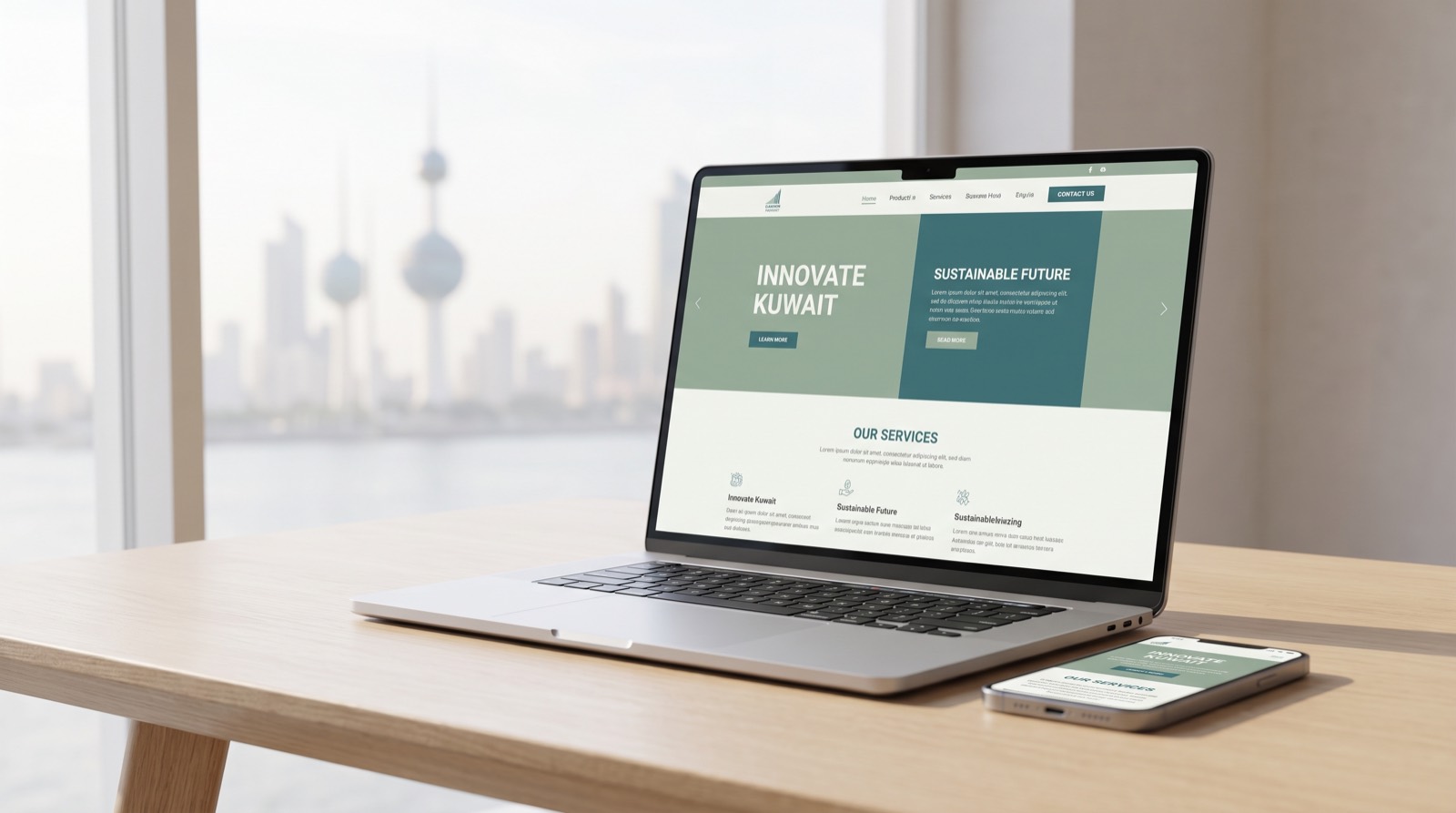
What you pay at each level
Three routes, three price points. Each one is a trade.
- DIY builders (Wix, Squarespace, Shopify). Cheapest up front, usually a subscription of a few hundred KD a year. You save money and spend time. The look is generic and the limits show up later.
- Freelancers. Often the lowest price for custom work, and many are very good. The risk is continuity. Who fixes the checkout when it breaks six months after launch?
- Studios and product teams. More up front. You get design, development, Arabic and English, payments and support in one place. This is where a site that has to sell belongs.
The gap between a few hundred KD and a few thousand KD is not greed. It is the difference between assembling a template and building a product.
What drives the cost
Two sites with the same page count can differ by ten times. These are the reasons.
- Custom design vs template. A design built around your brand takes real work. A tweaked template does not. This is the biggest swing.
- Pages and content. More pages, more sections, more words and images to design and build.
- Arabic and English. A real Arabic version is not a translate button. It is a second layout, right to left, with its own type and spacing decisions.
- Payments and integrations. KNET, cards, delivery, inventory and accounting each add work.
- Custom features. Booking, logins, dashboards and admin panels move you from website to software.
- Who supplies the content. If copy and images are ready, the build is faster. If they are not, someone has to create them.
What an online store needs in Kuwait
An online store is not a website with a cart bolted on. In Kuwait, a working store needs five things:
- KNET and card payments. Local customers expect KNET. Card payments cover GCC and international buyers. Each gateway needs setup, testing and a checkout that works in Arabic.
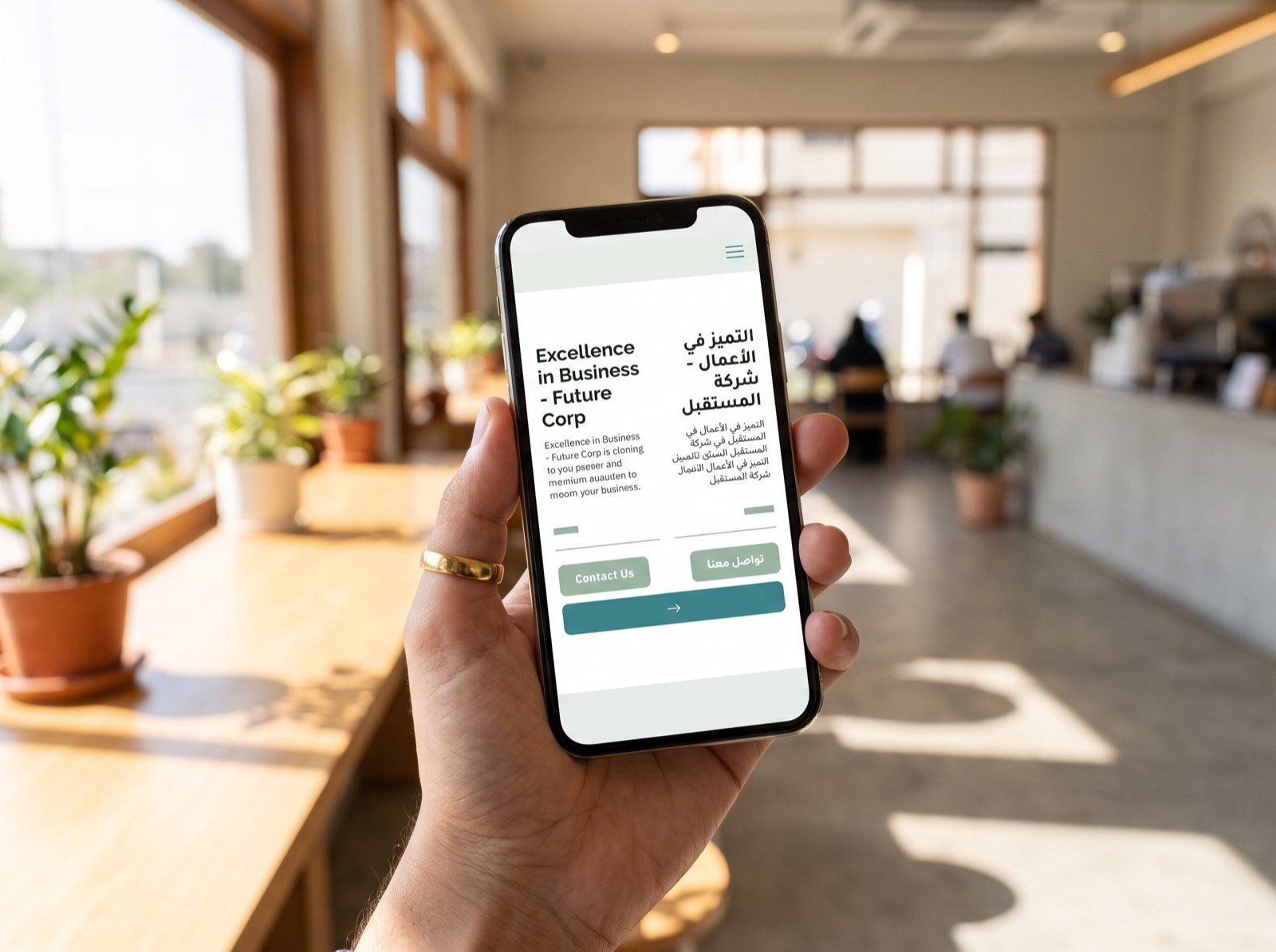
- Arabic and English. Product pages, categories, checkout and emails all need both languages, with a right-to-left layout that does not break.
- Delivery areas. Governorates, GCC shipping, pickup, delivery fees and free-shipping thresholds. These rules live inside the store.
- Order tracking. Customers want a confirmation, a tracking link and updates. That means connecting the store to how you actually fulfill orders.
- Product and inventory management. A catalog you can update without calling a developer, with stock that stays correct.
This is why an online store costs more than a brochure site. The store is a system. When people ask about ecommerce website cost Kuwait businesses should expect, the honest answer is that payments, languages, delivery and tracking are the price. Kinetix builds multilingual websites and online stores with these pieces included.
What drives app cost
A mobile app is not a website in a box. It is a product with its own release cycle. Cost depends on scope:
- Platforms. iOS, Android, or both.
- Accounts and data. Login, profiles, order history, saved items.
- Payments. KNET, cards and Apple Pay inside the app.
- Notifications. Push messages that bring people back.
- Backend and admin. A panel your team uses to manage content, orders or users.
- Release and upkeep. App store submission, updates for new OS versions, and fixes.
If you are asking how much does an app cost in Kuwait, the answer follows the same rule as a website: scope first, price second. A simple app with a few screens costs far less than a marketplace or booking app with payments and dashboards.
One-time cost vs ongoing cost
The build is only part of it. Budget for the running costs too:
- Domain. A .com costs a little each year. A .com.kw costs more.
- Hosting. Small sites cost less. Busy stores and apps cost more.
- Maintenance. Security updates, backups and small changes. Some teams pay per change. Others prefer a simple monthly plan.
- Payment fees. KNET and card providers charge per transaction.
- App store fees. Apple and Google charge for developer accounts.
A cheap build with no plan for hosting and updates can cost more in lost sales than a properly run site. Ask what happens after launch before you sign.
How to budget for it
A simple way to land on the right number:
- Start with the goal. More leads, online sales and credibility point to different builds.
- Separate must-haves from later. Launch with what earns its keep. Add the rest when the site pays for itself.
- Ask for a fixed, itemized quote. Design, build, Arabic, payments and launch listed separately. Then compare the totals, not the headlines.
- Plan year one. Build plus hosting, maintenance and fees. That is the real number.
Frequently asked questions
How much does a website cost in Kuwait?
It depends on what you need. A template or builder site can cost a few hundred KD. A custom bilingual website costs more. An online store with KNET and card payments, or a mobile app, costs more again because it is a bigger system. Kinetix projects start from 750 KD with a fixed quote.
Why does an online store cost more than a website?
A store adds payments such as KNET and cards, Arabic and English product pages, delivery areas, order tracking and inventory. That is software, not a page. Each part has to be built, tested and maintained.
Do I need a mobile app or a website first?
Most businesses should fix the website and store first, because that is where customers search and buy. An app makes sense when people come back often, need accounts, notifications or a faster repeat experience. Start with the revenue, not the platform.
How Kinetix works on this
Kinetix is a product studio in Kuwait. We build apps, multilingual websites and online stores, AI systems, and brand identity. Every project starts with a short call. You describe the goal, we ask the questions that change the scope, and you get a fixed quote. Projects start from 750 KD.
No hourly guesswork and no surprise invoice after launch. If a feature is not worth the money, we will say so. Start a project and tell us what you are trying to build.